Green Initiatives: How E-Waste Recycling Services Are Protecting Our Planet
E-waste poses significant threats to the environment, as disposed electronics frequently harbor hazardous substances. Such dangerous compounds can pollute soil and water supplies, leading to broader ecological damage. E-waste recycling initiatives provide a practical answer. They serve the dual purpose of reclaiming precious materials and reducing contamination. Comprehending the operation of these services and their influence on communities is of great importance. The path to successful electronic waste management prompts vital discussions about personal accountability and communal efforts. What measures can be pursued from this point onward?
The Reasons E-Waste Is Damaging to the Planet
While technological advancements improve contemporary living, electronic waste presents significant environmental threats. Disposed electronic equipment, often containing toxic substances including mercury, lead, and cadmium, are capable of seeping pollutants into the surrounding soil and water supply, posing risks to both wildlife and human well-being. The accelerating rate of technological innovation results in higher rates of electronics disposal among consumers, exacerbating the accumulation of discarded electronic materials.
Landfills, already burdened with waste, struggle to accommodate the growing volumes of discarded gadgets. Incineration, a common waste management technique, emits dangerous pollutants into the environment, degrading atmospheric conditions. In addition, improper recycling practices can lead to the exportation of e-waste to developing countries, where laborers may dismantle devices without adequate safety measures, exposing themselves to dangerous substances. This ongoing cycle of carelessness and inadequate management emphasizes the pressing necessity for responsible recycling initiatives that can lessen the harmful consequences of e-waste on our world.
What Is E-Waste and Why Does It Matter?
E-waste, also referred to as electronic waste, encompasses obsolete electronic products such as computers, smartphones, and televisions that are no longer functional or needed. This growing category of waste is significant because of its swift buildup, propelled by advances in technology and evolving consumer behaviors. With an increasing number of devices reaching obsolescence, the ecological consequences become more pronounced, with harmful substances like lead, mercury, and cadmium threatening both ecosystems and public health.
Addressing e-waste is crucial not only for reducing these dangers but also for acknowledging the precious materials found within it. Critical metals and rare earth components can be reclaimed and recycled, decreasing the reliance on mining and protecting natural resources. By understanding e-waste and its implications, individuals and organizations can make informed decisions about disposal and recycling, ultimately contributing to a more sustainable future. Proper management of e-waste is essential for fostering a circular economy and promoting environmental stewardship.
How the E-Waste Recycling Process Works
E-waste recycling entails a systematic process intended to extract beneficial components while minimizing environmental impact. At the outset, electronic waste is gathered and delivered to specialized recycling facilities. Once there, the electronics are carefully categorized to separate hazardous components from recyclable materials.
After this step, employees break down the electronics, recovering metals, plastics, and glass. This stage is crucial, as it enables the reclamation of valuable metals like silver, gold, and copper, which may be utilized in modern electronics.
Following this, the divided materials are processed with state-of-the-art techniques, such as chemical treatments and shredding, to cleanse them for further use.
Finally, the remaining hazardous waste is handled with responsibility, adhering to environmental guidelines. This multi-step approach not only conserves resources but also reduces the dangers connected to improper e-waste disposal, ensuring a more sustainable future for electronic device usage.
Benefits of E-Waste Recycling for You and Your Community
Though many people are unaware, the positive effects of e-waste recycling go far beyond individual benefit and actively shape entire communities. By carefully processing electronic waste, individuals play a role in creating a safer environment, reducing toxic components that can seep into soil and water. This proactive approach helps preserve local ecosystems and promotes public health.
Additionally, e-waste recycling fosters employment opportunities within local communities. Community recycling operations commonly require workers for various operations, including collection and processing, thereby providing employment opportunities for community members. This not only enhances the community economy but also encourages community engagement in sustainable practices.
Moreover, knowledge about e-waste recycling is capable of inspiring educational initiatives, empowering residents to embrace sustainable practices. By enrolling in e-waste recycling programs, individuals foster a culture of sustainability, inspiring others to follow suit. Ultimately, the combined impact of these actions can create a more robust and eco-friendly community.
How to Select an E-Waste Recycling Service
Picking the right e-waste recycling service is essential for ensuring that e-waste is processed in a responsible and sustainable manner. Initially, individuals should confirm the company's certifications, such as R2 or e-Stewards, which demonstrate conformance to established benchmarks for responsible recycling methods. Additionally, it is advisable to examine the company's reputation by reviewing feedback and seeking advice from dependable sources.
Moreover, transparency in the recycling process is vital. A dependable provider should offer detailed insights about how e-waste is processed and what becomes of the materials. Additionally, considering the scope of services provided can prove valuable; various firms may supply retrieval services or extend benefits for recycling.
In addition, understanding local regulations regarding e-waste disposal can additionally influence the evaluation process. By taking these elements into account, consumers can play a role in effective e-waste management as well as promoting eco-friendly habits.
How You Can Take Part in E-Waste Recycling?
Getting involved with e-waste recycling can start at the local level, where local recycling facilities often provide essential services for responsible disposal. Moreover, taking part in community awareness campaigns can enhance efforts to raise awareness about the importance of proper e-waste handling. These initiatives not only promote sustainability but also build a collective sense of stewardship of the environment.
Area Recycling Stations
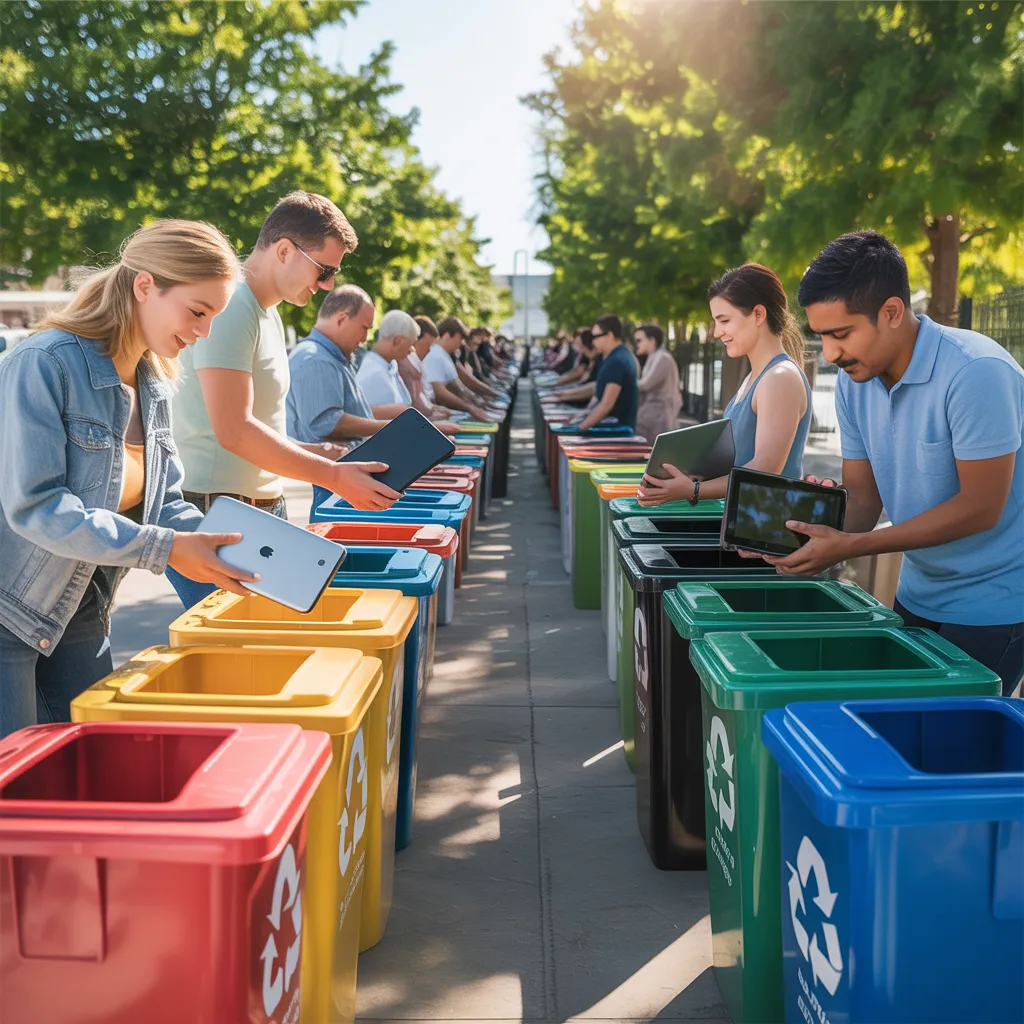
Numerous community recycling facilities fulfill a critical purpose in the recycling of e-waste, giving communities practical solutions to discard electronic waste in an eco-friendly way. These centers accept a variety of digital devices, including aging computers, cell phones, and television sets, verifying that toxic materials are disposed of safely. Most stations have qualified professionals who support individuals in understanding proper disposal practices, highlighting the value of recycling rather than landfilling. Moreover, numerous facilities provide organized drop-off opportunities or appointed collection periods, allowing residents to take part with ease. By utilizing these local services, residents support a circular economy, minimizing ecological impact and fostering sustainable behaviors. Partnering with these facilities empowers communities to take action against e-waste pollution effectively.
Public Awareness Initiatives
Local organizations, schools, and businesses can work together to organize events that support e-waste collection drives. Dedicated participants can take a leading part in spreading awareness, distributing educational materials, and engaging with the community. Through these collective efforts, local inhabitants gain greater awareness and encouragement to properly recycle their e-waste, thereby helping to build a greener and more sustainable tomorrow.
Questions We Often Receive
Which Types of Electronics Are Recyclable?
Many different electronics are able to be recycled, including computers, smartphones, televisions, laptops, gaming consoles, and printers. Moreover, peripherals such as keyboards, mice, and batteries are also suitable for recycling, supporting efforts to conserve the environment.
Are There Fees Involved With E-Waste Recycling?
Yes, electronic waste recycling may involve charges, based on the facility. Certain providers impose charges for gathering or treatment, while other facilities offer free services, typically funded by the resale of recovered materials.
What Are the Benefits of E-Waste Recycling for Businesses?
Companies can take advantage of e-waste recycling Read the article by lowering disposal expenses, strengthening their ecological standing, complying with regulations, extracting valuable resources, and possibly earning income through resale, thereby fostering a more environmentally responsible business approach.
What Occurs with Data on Recycled Devices?
Details from refurbished devices is often completely removed or eliminated during processing. This ensures confidential data is kept safe, stopping improper access while allowing materials to be repurposed carefully and ethically within new applications.
Is It Possible to Recycle Damaged Electronics?
Indeed, non-functioning electronics can be recycled. Many centers receive damaged devices, providing responsible disposal and recovery of recoverable materials. Doing so helps lower environmental impact while fostering responsible recycling practices to handle electronic waste properly.